skip to Main Content
ESG Metrics

Energy Saving Devices (ESD)

ESDs provide a direct increase in vessel propulsion efficiency by reducing hull resistance and improving propeller thrust. In particular they comprise devices fitted before or after the propeller, while also having high-performance hull coatings to reduce resistance. In front of…

ESG Metrics

Ship Energy Efficiency Management Plan (SEEMP)

Along with EEDI, the IMO introduced the Ship energy efficiency management plan (SEEMP). It is the complementary measure that establishes a mechanism to improve the energy efficiency of a ship in a cost-effective manner. SEEMP includes the enhancement of the…

Final Event

eShip Final Event

This is an excellent opportunity not only to assess the level of achievement of the project’s goals during the past two years but also to define next steps for the commercialisation of the eShip platform (www.eship.pt) as a web-based application…

ESG Metrics

Energy Efficiency Design Index (EEDI) for New Ships

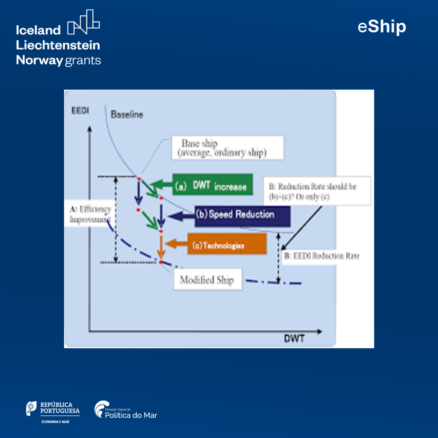
During the MEPC 62 (July 2011), the IMO adopted the Energy efficiency design index for new ships which establishes an energy efficiency identity for all the new-built ships since 2013. The IMO utilises a specific formula that estimates the CO2…

ESG Metrics

Carbon Intensity Indicator (CII)

Is an operational measure of how efficiently a vessel transports its cargo, essentially in grams of Co2 emitted by (i) cargo-carrying capacity and (ii) nautical mile. The CII calculation is essentially more straightforward, albeit more complex when it comes to…

ESG Metrics

Energy Efficiency Existing Ship Index (EEXI)

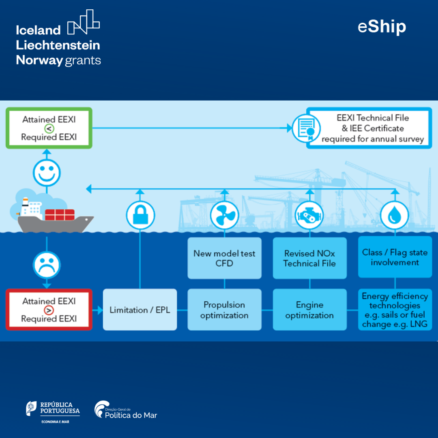
The EEXI provides a framework for determining the efficiency of the design of a vessel by expressing its energy efficiency / emissions performance. EEXI regulation relates to existing ships, but each ship type has different factors to consider (the strictest…

Trend Monitor

Trends From Posidonia

Is it time to reset commercial benchmarks? For instance, should demurrage even be done way with? Should any benefit in fuel consumption savings be shared between the Owner and the Charterer? Is it finally time to move away from NYPE…

ESG Metrics

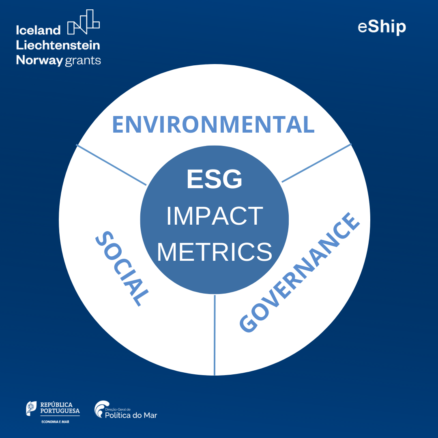
ESG Metrics belong to the set of future development of eShip

The importance of these metrics relates to: The ENVIRONMENTAL side, because there are increasingly stringent requirements related to emissions from ships The SOCIAL point of view, for the areas of crew well-being, as well as health and safety on board,…

Trend Monitor

Trends From Posidonia

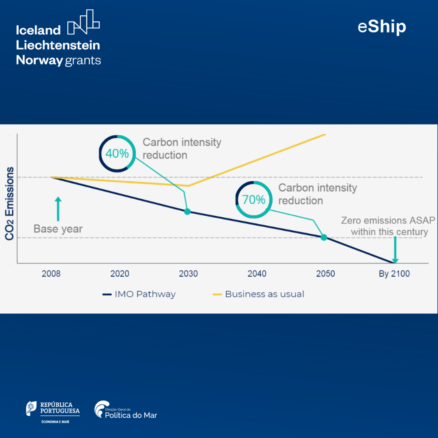
Zero Carbon Emissions metrics. The IMO (International Maritime Organisation) has set a target for reducing annual GHG (greenhouse gas) emissions in shipping by at least 40% by 2030 and targeting a 70% reduction by 2050. The IMO, via its MEPC…

Trend Monitor

Trends From Posidonia

Digital Disruption (reference video streaming / Uber, as heavily disrupted segments) is a phrase used in the technology industry to invoke a fear factor amongst players that is not necessarily real. In shipping, digital disruption is not happening. Why? Is…

Back To Top
en_USEnglish